
Mountain Biking in Marin County: Understanding Risks and Legal Rights
May 5, 2026 | Estimated Read Time: 5 minutes
Editor's Note: This article was originally published in September 2025 and has been reviewed and refreshed.
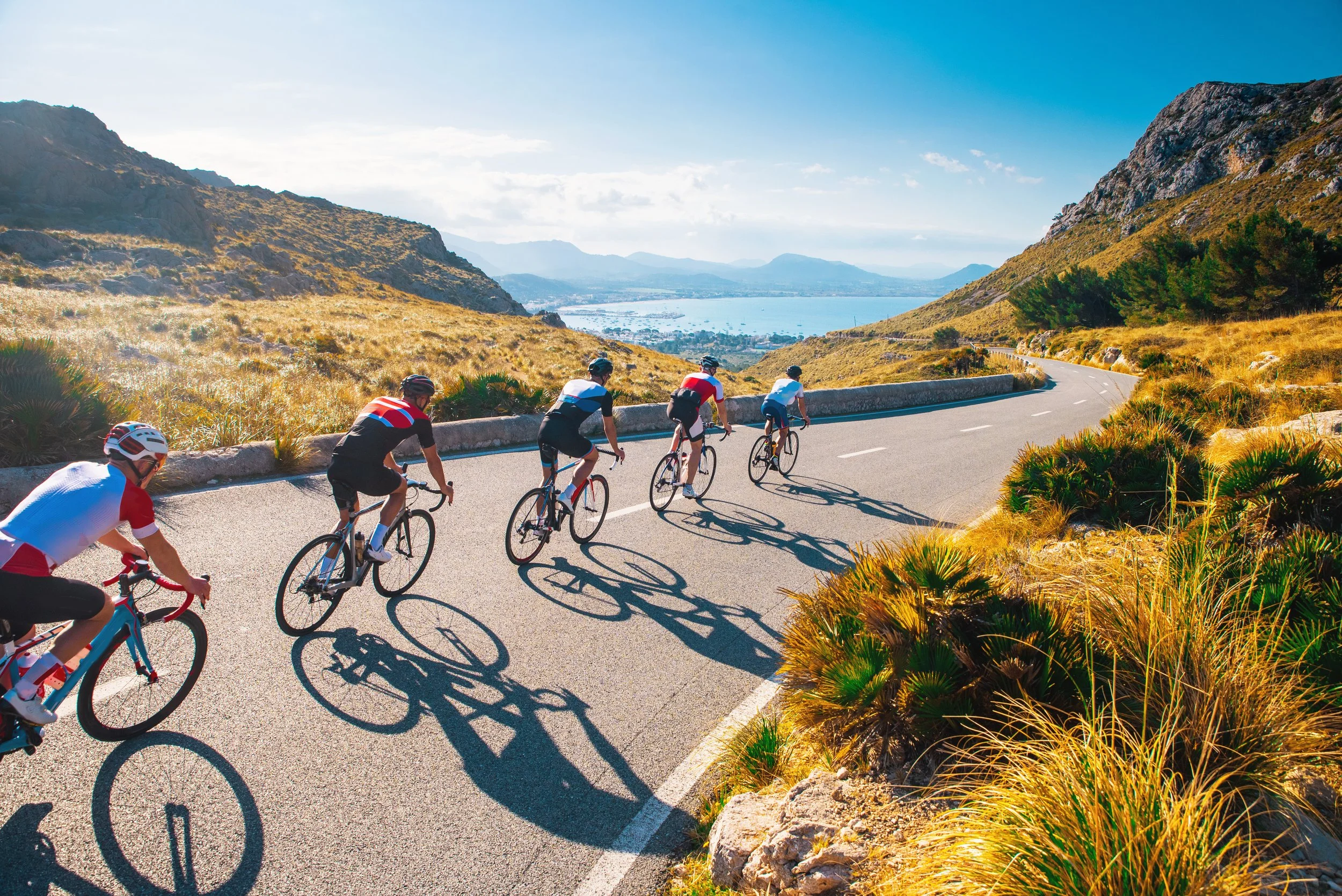
Marin County is where mountain biking began. The fire roads of Mount Tamalpais, the sweeping views from Ridgecrest Boulevard, the technical single-track that draws riders from around the world—it's a special place to ride.
But many of Marin's most popular routes require sharing narrow, winding roads with cars before you ever reach the trailhead. When a collision happens, the consequences are often severe.
Here's what riders need to know about the specific risks on Marin roads—and their legal rights if something goes wrong.
The Risks on Marin Roads
Roads built for speed. Many Marin roads were designed decades ago with the assumption they'd become multi-lane highways. That never happened, but the wide lanes remain—encouraging drivers to go faster than conditions warrant. Freitas Parkway in Terra Linda is a well-documented example.
The left-turn collision. This is a recurring tragedy in Marin. A driver turning left across traffic fails to see an oncoming cyclist, often traveling downhill. Between 2018 and 2023, four cyclists were injured at the intersection of Freitas Parkway and Lea Drive under nearly identical circumstances. In June 2025, a fifth collision at that same intersection killed cycling coach Chris Brignetti. In each case, the driver was found at fault.
Limited visibility. Overgrown foliage in medians and along shoulders can obscure cyclists from drivers. Blind curves and steep drop-offs leave little margin for error.
E-bikes and changing regulations. The rise of e-bikes has introduced new safety dynamics. Marin County has implemented restrictions on certain e-bikes for youth riders, and trail access rules continue to evolve. Riders should check current local regulations before heading out.

Your Legal Rights as a Cyclist in California
California law treats bicycles as vehicles. That means cyclists have the same right to the road as cars—and the same responsibility to follow traffic laws.
The Three-Foot Law: Drivers must maintain at least three feet of clearance when passing a cyclist. A violation is strong evidence of negligence.
Right-of-way: Cyclists in bike lanes or crosswalks have the right-of-way. Drivers who fail to yield are typically at fault.
Comparative fault: Even if you're partially at fault, you may still recover damages. California's pure comparative negligence rule reduces your recovery by your percentage of fault—but doesn't eliminate it entirely. (Read our full explainer on comparative fault here.)
What to Do After a Bicycle Accident
Get medical attention. Adrenaline masks injuries. A medical record links them to the crash.
Call the police. An official report is critical evidence. Make sure your statement and witness accounts are recorded.
Document everything. Photos of the scene, your bike, the vehicle, the license plate, road conditions, weather, and any obstructed views.
Gather witness information. Names and contact details. Finding them later is nearly impossible.
Do not give a recorded statement to the other driver's insurer. Their goal is minimizing your claim. Speak to an attorney first.
Preserve your equipment. Keep your damaged bike and helmet as they are. Don't repair or replace them until they've been documented.
When the Road Itself Is the Problem
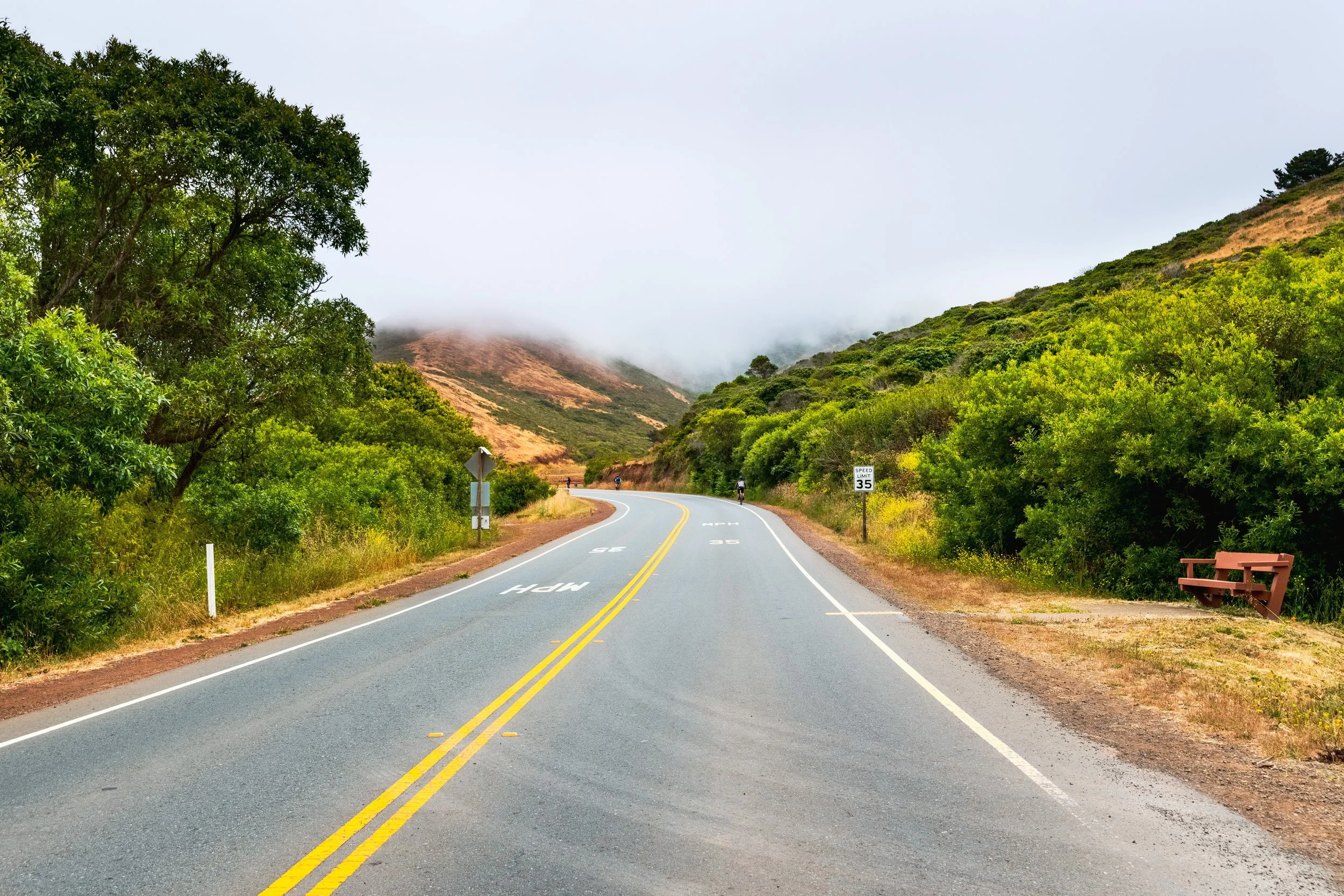
In cases like the repeated crashes on Freitas Parkway, the danger stems from known, hazardous road design.
If a city or county was aware of a dangerous condition—through prior crashes, citizen complaints, or their own studies—and failed to address it, they may share liability.
Claims against government entities have strict deadlines. In many cases, you must file a formal claim within six months. This is one of the strongest reasons to consult an attorney quickly after a serious crash.
Protect Yourself: UM/UIM Coverage
Many at-fault drivers are uninsured, underinsured, or flee the scene. Your own insurance policy is your primary protection.
UM/UIM coverage (uninsured/underinsured motorist) covers your medical bills, lost wages, and pain and suffering when the at-fault driver can't pay.
If you own a car, this coverage is likely already on your auto policy.
If you don't own a car, you can purchase a non-operator's UM/UIM policy. It's worth considering for any regular cyclist.
The Bottom Line
Marin County offers some of the best riding in the world. Knowing the specific risks—and your rights—helps ensure that your time on the bike stays about the ride, not the recovery.
If you've been injured while cycling in Marin County, we understand the roads you ride and the challenges these cases present. We're here to help.
Sincerely,
The Team at Caldwell Law Firm

Michael Train Caldwell was born and raised in the San Francisco Bay Area, and resides in Marin County with his two children. The son of renowned San Francisco trial attorney, Edwin Train Caldwell, Michael comes from a family of litigators, and has been representing individuals facing injury and discrimination for over 20 years.
John Holman is an attorney with 23 years of litigation experience in both defense and plaintiff side litigation. John is admitted in the State of California and United States District Court for the Northern District of California. He is a graduate of UCLA in political science and earned is JD at Golden Gate University.

Legal Resources

Caldwell Law Firm’s free guide for drivers in California.
Confusing legal jargon? Nobody has time for that. We’ve grouped terms roughly by topic to help you quickly find the ones that pertain to your claim.
Areas Of Practice
More info about our firm’s areas of practice relevant to California roads:
Recent Auto Accident Articles

Get In Touch
Call us at (415) 453-8339 or fill out our email form: